
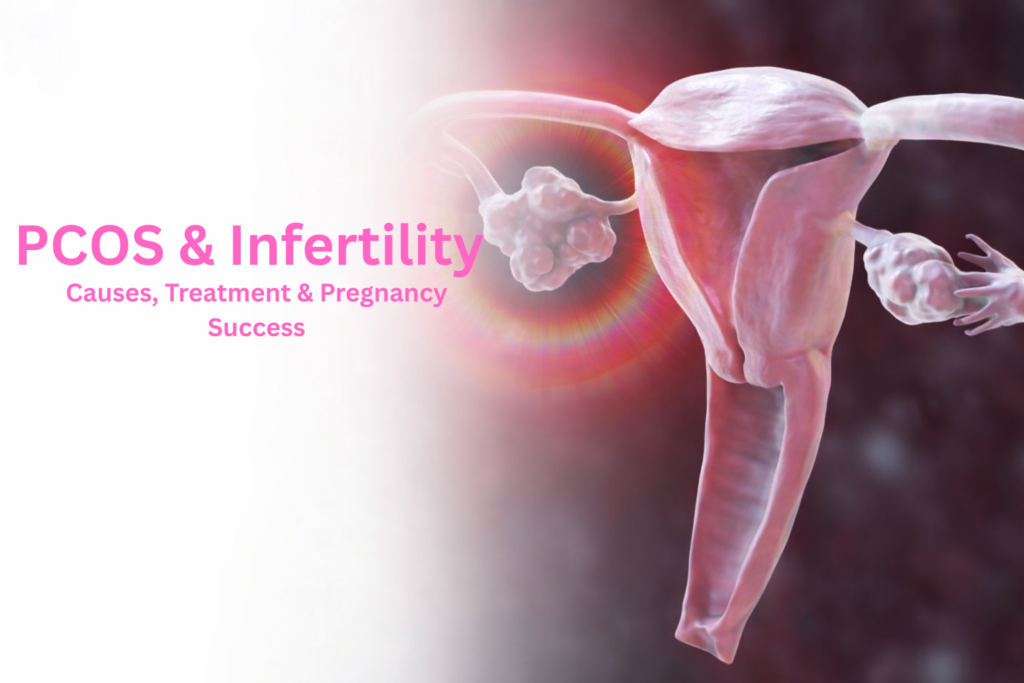
Polycystic Ovary Syndrome (PCOS) is one of the most common causes of female infertility, affecting millions of women of reproductive age. Many women with PCOS struggle with irregular periods, hormonal imbalance, and difficulty conceiving. The good news? Pregnancy with PCOS is absolutely possible with the right diagnosis, lifestyle support, and advanced fertility treatment.
At a trusted fertility center in Delhi and Noida, specialists regularly help women with PCOS achieve successful pregnancies using evidence-based protocols, ovulation induction, IUI, and IVF treatment. Understanding the link between PCOS and infertility is the first step toward building your family.
What is PCOS?
PCOS (Polycystic Ovary Syndrome) is a hormonal disorder where the ovaries produce higher-than-normal levels of androgens (male hormones). This hormonal imbalance interferes with ovulation, which directly affects fertility.
Common PCOS Symptoms
- Irregular or missed periods
- Excess facial or body hair
- Acne and oily skin
- Weight gain or difficulty losing weight
- Thinning hair on the scalp
- Multiple small cysts in ovaries (seen on ultrasound)
Not all women withOvarian Hyperandrogenism have cysts, and not all ovarian cysts mean Ovarian Hyperandrogenism— diagnosis requires medical evaluation.
How Does Ovarian Hyperandrogenism Cause Infertility?
The primary reasonOvarian Hyperandrogenism leads to infertility is irregular or absent ovulation.
Key Fertility Issues in Ovarian Hyperandrogenism
- Eggs may not mature properly
- Ovulation may not occur regularly
- Hormonal imbalance affects egg quality
- Thickened ovarian capsule may prevent egg release
- Increased insulin levels disrupt reproductive hormones
Without ovulation, natural pregnancy becomes difficult. However, with targeted infertility treatment, ovulation can often be restored.
PCOS and Pregnancy: Is Natural Conception Possible?
Yes, many women with mild PCOS conceive naturally with lifestyle changes. However, those with moderate to severe symptoms may need medical assistance.
Lifestyle Changes That Improve Fertility in Ovarian Hyperandrogenism
- Weight management (even 5–10% loss helps)
- Balanced low-glycemic diet
- Regular exercise
- Stress reduction
- Limiting processed foods and sugar
These steps improve insulin resistance and hormone balance, increasing ovulation chances.
Medical Treatment Options for Ovarian Hyperandrogenism Infertility
A fertility specialist designs treatment based on age, hormone levels, ovarian reserve, and duration of infertility.
1. Ovulation Induction
Medications stimulate egg development and ovulation.
- Letrozole (first-line treatment)
- Clomiphene citrate
- Gonadotropin injections
Often combined with timed intercourse or IUI treatment.
2. Insulin-Sensitizing Medications
Metformin may be prescribed to reduce insulin resistance and improve menstrual regularity.
3. IUI (Intrauterine Insemination)
Sperm is placed directly in the uterus during ovulation. Effective for mild Ovarian Hyperandrogenism cases.
4. IVF Treatment (Best for Advanced Ovarian Hyperandrogenism Cases)
IVF (In Vitro Fertilization) is highly successful for women who:
- Don’t respond to ovulation drugs
- Have blocked tubes
- Have additional male factor infertility
At a reputed IVF center in Delhi, advanced lab techniques improve embryo quality and pregnancy rates.
Ovarian Hyperandrogenism & IVF Success Rates
Women with Ovarian Hyperandrogenism often respond well to IVF because they typically have a good ovarian reserve.
Why IVF Works Well for Ovarian Hyperandrogenism
- Controlled stimulation improves egg maturity
- Embryos are carefully selected
- Risk of multiple pregnancy can be managed
- Frozen embryo transfer improves implantation
With expert monitoring, IVF pregnancy success for Ovarian Hyperandrogenism patients can be high.
Complications During Ovarian Hyperandrogenism Pregnancy
Once pregnant,Ovarian Hyperandrogenism patients need careful monitoring due to slightly increased risks:
- Gestational diabetes
- High blood pressure
- Preterm birth
- Miscarriage risk (managed with early care)
Regular prenatal follow-ups reduce these risks significantly.
When to See a Fertility Specialist
Consult a fertility doctor if:
- Periods are irregular or absent
- Trying to conceive for 6–12 months without success
- Excess hair growth and acne are present
- You have known PCOS and planning pregnancy
Early evaluation increases treatment success.
How a Fertility Center Helps Ovarian Hyperandrogenism Patients
A comprehensive fertility center provides:
- Hormone testing
- Ultrasound follicular monitoring
- Personalized ovulation tracking
- Advanced IVF lab support
- Nutritional and lifestyle counseling
Women in Delhi and Noida have access to world-class infertility treatment with experienced reproductive specialists.
Emotional Impact of Ovarian Hyperandrogenism Infertility
Struggling with infertility can feel overwhelming. Hormonal imbalance may also affect mood, increasing anxiety and depression risk. Counseling, support groups, and partner involvement play a crucial role in the journey.
Ovarian Hyperandrogenism Fertility Treatment: Key Takeaways
Ovarian Hyperandrogenism is a leading but treatable cause of infertility
Ovulation problems are the main issue
Lifestyle changes improve natural pregnancy chances
IUI and IVF offer high success rates
Early specialist consultation improves outcomes
FAQs (Schema-Friendly)
Q1. Can women with PCOS get pregnant naturally?
Yes, mild PCOS cases may conceive naturally with lifestyle changes and ovulation tracking.
Q2. What is the best treatment for Ovarian Hyperandrogenism infertility?
Ovulation induction is first-line. IVF treatment is recommended if medications fail.
Q3. Does Ovarian Hyperandrogenism always cause infertility?
No. Many women with Ovarian Hyperandrogenism conceive with proper medical guidance.
Q4. Is IVF safe for Ovarian Hyperandrogenism patients?
Yes, with expert monitoring to prevent ovarian hyperstimulation syndrome (OHSS).
Q5. How long does Ovarian Hyperandrogenism treatment take to work?
Ovulation may improve within 1–3 cycles of medication.
Conclusion
Ovarian Hyperandrogenism can cause difficulties in conception, but it certainly doesn’t mean that women with PCOS cannot become mothers. With proper diagnosis and treatment, most women with PCOS have successfully conceived. Whether it’s ovulation induction, IUI, or IVF, there is hope for women with PCOS today.If you or someone you know is suffering from Ovarian Hyperandrogenism or infertility, contact a professional fertility clinic in Delhi or Noida for a course of treatment.
When performed at a trusted fertility center, offers a safe, effective, and scientifically proven path toward parenthood.At Vrinda Fertility, we personally guide every couple – bringing medical expertise, latest technology, and emotional support to realize your dream of becoming parents. Get Direction for Best IVF Centre In Delhi and Noida