
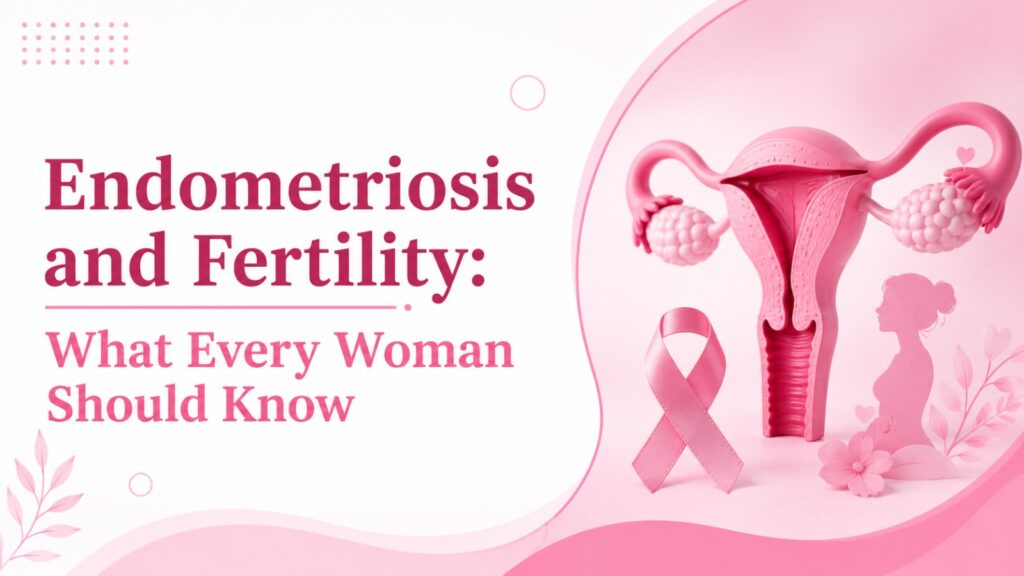
Endometriosis affects a significant amount of women all over the world. Unfortunately, Endometriosis and Fertility is also widely misunderstood due to its complications. Endometriosis occurs when tissue that resembles the uterus lining is formed outside of the uterus. This can be particularly painful and cause swelling. It can also affect a woman’s ability to conceive.
Being diagnosed with endometriosis can make starting a family seem impossible. There are many concerns about conception, the potential to carry a baby to term, and the possible interventions to assist in the process. Endometriosis does not necessarily mean that a woman cannot conceive. Many women with endometriosis are able to conceive on their own, and many do so with the help of fertility treatments.
Recognizing the effect endometriosis can have on a woman’s fertility is key to understanding the condition and the options that are available to women to aid in the process of conception. This guide will break down the implications endometriosis has on fertility as well as the treatment options, symptoms, and potential lifestyle changes that can increase a woman’s chances of becoming pregnant.
What Is Endometriosis?
Endometriosis is when tissue that is similar to the tissue that lines the uterus grows in other places outside of the uterus. Like the lining of the uterus, these tissues can also grow in the ovaries, fallopian tubes and the lining of the bladder, and even the bowels. Like the lining of the uterus, these tissues grow in response to the hormones that change during the menstrual cycle. Unfortunately, they cannot exit the body, and they develop inflammation and scar tissue as a result.
Common Symptoms of Endometriosis
Every woman’s experience with endometriosis is different. While some women have a great deal of pain or other huge disruptions to their daily lives, others do not see a noticeable change to their day to day lives.
Common symptoms include:
– Painful menstrual cramps
– Chronic pelvic pain
– Heavy menstrual bleeding
– Pain during intercourse
– Painful bowel movements or urination
– Fatigue
– Digestive issues
– Difficulty becoming pregnant
Severity of symptoms does not always equate to the severity of endometriosis.
What Is the Prevalence of Endometriosis?
Around 1 in 10 women of reproductive age are estimated to have endometriosis. The figure is higher in women who are experiencing infertility.
Endometriosis is one of the top female infertility conditions, as studies show it affects 30% to 50% of women who are diagnosed with it.
Is Endometriosis Considered Infertile?(Endometriosis and Fertility)
This is one of the most common questions that women ask, and the answer is yes, it can be, but many women do conceive naturally.
Some of the reasons infertility can occur with endometriosis include:
1. Blocked Fallopian Tubes
Scar tissue of endometriosis can block the fallopian tubes, which can either prevent the sperm from meeting the egg, or prevent a fertilized egg from reaching the uterus.
2. Ovarian Damage
Endometriosis can create cysts on the ovary known as endometriomas, which can potentially damage ovaries and reduce the quality and/or quantity of eggs.
3. Chronic Pelvic Inflammation
Endometriosis can create a setting of chronic inflammation that can interfere with the egg’s ability to meet the sperm, as well as interfere with the embryo’s ability to implant in the uterus.
4. Hormonal Imbalances
Endometriosis can cause impaired ovulation due to altered hormones.
5. Poor Egg Quality
Some research shows that substances caused by inflammation in patches of endometriosis may have a negative impact on the development of eggs and embryos.
Does Endometriosis Affect Your Ability to Get Pregnant?
Women with endometriosis are still able to get pregnant naturally.
Endometriosis’ impact on fertility can depend or be influenced by:
– Your age
– The level or stage of the endometriosis
– Your overall fertility health
– Other infertility factors
– Ovarian reserve
Women in the early stages of endometriosis may actually have an easier time getting pregnant naturally than women that are in the more advanced stages.
If pregnancy doesn’t happen in the 6 to 12 month time frame, it is best to get a fertility assessment.
Endometriosis Stages and Affect on Fertility
Endometriosis has four main levels or stages:
Stage I: Minimal
– Only a few patches
– Minimal or no scarring
– No major impact on fertility
Stage II: Mild
– Larger patches
– Some scarring
– Some impact on fertility
Stage III: Moderate
– Larger patches with scarring
– Cysts on the ovaries may develop
– Major impact on fertility
Stage IV: Severe
– Major scarring of ovaries
– Major endometriosis
– Major restructuring of reproductive organs caused by endometriosis
– Significant high impact on infertility.
Endometriosis’ impact on fertility can also depend or be influenced by other factors.
How is Endometriosis Diagnosed
Endometriosis may be difficult to diagnose because it may take time to assess other diagnoses that have similar symptoms.
Medical History and Physical Examination
Doctors may start assessing your medical history and conducting a pelvic exam.
Imaging Tests
Imaging methods can involve:
– Ultrasound
– MRI Scans
– Pelvic Imaging Studies
Laparoscopy
Laparoscopy is the gold standard for diagnosis. This technique is minimally invasive and allows doctors to visually assess endometriosis lesions.
Endometriosis Treatments for Women Who Wish to be Pregnant
Endometriosis treatment for women is based on the degree of endometriosis symptoms, age, stage of endometriosis, and goals of the woman.
Fertility Preserving Surgery
Laparoscopic surgery can remove endometriosis lesions and scar tissue, improve the pelvic surgery, and increase the chances of fertility. For many women, the surgery increases the chances of becoming pregnant.
Ovulation Induction
For women with less severe endometriosis, the use of infertility drugs may improve their chances of becoming pregnant by inducing ovulation.
Intrauterine Insemination (IUI)
IUI may be suggested for women with:
– Endometriosis that is considered mild
– Normal and open fallopian tubes
– Good sperm quality
In Vitro Fertilization (IVF)
For women suffering from endometriosis of a more severe nature, IVF is likely to provide the best treatment of all available infertility options.
– IVF Treatments allow women to bypass damaged fallopian tubes.
– IVF Treatments improve the chances of fertilization
– IVF Treatments have a greater likelihood of lead to a successful pregnancy
A significant number of women suffering from severe endometriosis have successful pregnancies after IVF.
Changes to Lifestyle That May Help to Make Pregnancy Possible
Lifestyle changes are not a solution for endometriosis, but may assist in protecting reproductive health.
Keep to a Healthy Weight
A healthy body weight assist with hormonal balance and ovulation.
Follow an Anti Inflammatory Diet
This includes:
– Fruits
– Vegetables
– Whole Grain Foods
– Foods rich in Omega 3
– Lean Proteins
Decrease:
– Processed Foods
– Sugars
– Fats that are Trans
Regular Exercise
Exercise done regularly can decrease inflammation as well as benefit health overall.
Manage Stress
Stress is known to affect hormone levels and general well-being. Consider trying yoga, mindfulness, or relaxation techniques.
Avoid Smoking
Research continues to show smoking affects fertility and creates negative reproductive issues.
Pregnancy and Endometriosis
Women with endometriosis have many healthy pregnancies. Studies have shown the association between endometriosis and the risks of:
– Miscarriage
– Preterm births
– Placenta issues
– More C-sections
The best way to reduce the risks in the studies is to see a doctor regularly while pregnant. Some women even notice that endometriosis symptoms get better during pregnancy.
When Should You See a Fertility Specialist?
You should see a fertility specialist if you:
– Are an adult under 35 who has been trying to get pregnant for one year, or
– Are an adult over 35 who has been trying for one year, or
– Have endometriosis, or
– Have severe pelvic pain, or
– Have irregular periods.
The sooner help is received the better the chances to improve fertility.
Summary
Endometriosis creates many challenges for affected women, and pregnancy is one of them. There is hope, considering the improvements made in the diagnosis of endometriosis and reproductive medicine. More and more women with endometriosis are able to have the families they desire.
Women are better equipped to make their own decisions regarding the state of their health, the treatment options available, and their reproductive health if they understand the effects and symptoms of endometriosis on fertility. The initial step to your goal of growing your family may be to visit your trusted physician or a fertility specialist if you suspect you may have endometriosis, and/or if you are having challenges conceiving.
Many women with endometriosis have the potential to achieve a successful pregnancy and have fertility success with the appropriate treatment and care.
Frequently Asked Questions (FAQ)
1.Can endometriosis cause infertility?
Endometriosis creates a blockage in the body and can affect the ovaries.
2.Can women with endometriosis get pregnant naturally?
Yes, women with grade 1 and 2 endometriosis can get pregnant without treatments.
3.Is IVF successful for endometriosis patients?
Endometriosis patients who are grade 3 and 4 have a high success rate with IVF.
4.Does endometriosis surgery enhance fertility?
Laparoscopic surgery may enhance fertility when endometriosis lesions are excised and normal pelvic anatomy is restored.