
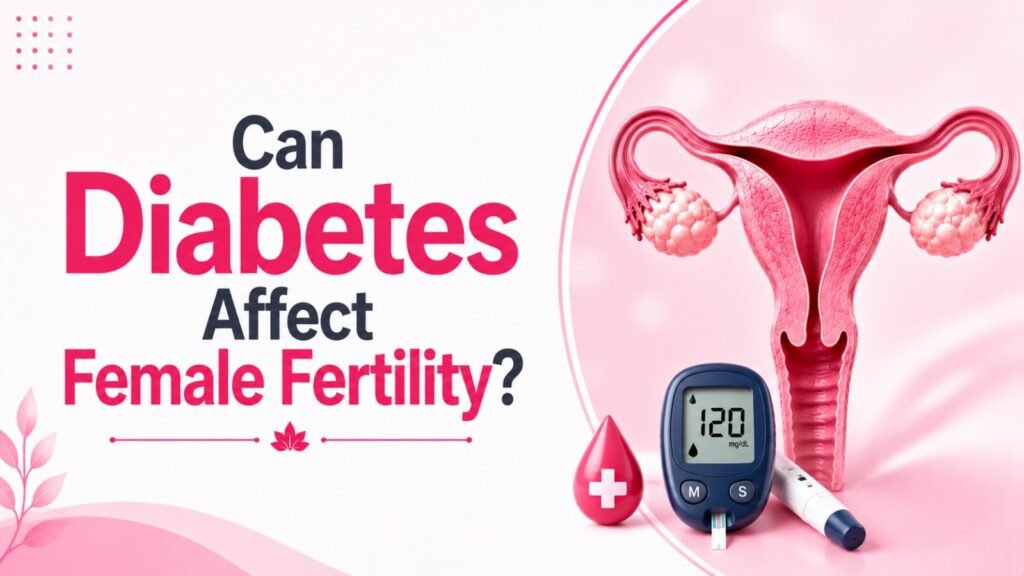
Diabetes is a chronic illness that millions of women around the world live with. It can affect many systems, and one concern is the impact of diabetes on reproductive health. Many women trying to understand whether diabetes damages female fertility. The answer is unfortunately, yes. The effects of both Type 1 and Type 2 Diabetes on female fertility can be profound and include the impact of poorly controlled diabetes on the body’s hormones, the menstrual cycle, and ovulation.
It is important to know, however, that diabetes does not make pregnancy impossible. Many women with diabetes are able to have healthy control of their diabetes and have healthy pregnancies. Maintaining blood sugar levels, a healthy diet and lifestyle, and regular doctor visits can improve outcomes for women with diabetes.
Contain the causes, symptoms, and treatments associated with diabetes and female fertility as well as the steps that a woman can take to improve prospects and make them realistic.
Diabetes and Female Reproductive Health
Diabetes is a chronic illness that can be caused by insufficient insulin production by the pancreas or the body’s resistance to insulin. Insulin is the hormone that regulates blood sugar. Consistently high blood sugar levels can begin to damage many systems, including the reproductive system.
The delicate balance of female hormones is necessary for the health of a female’s reproductive system and also for regular ovulation and menstrual cycles.
Hormonal balances make conception easier. Diabetes makes it harder to manage these balances.
Uncontrolled Diabetes puts women at risk for several health issues, including:
- Hormonal dysregulation
- Miscarriage
- Delayed Ovulation
- Reduced Oocyte Quality
- Pregnancy Complications
- Irregular Menstrual Cycles
Uncontrolled Diabetes and Glucose levels puts women at risk more for issues with fertility.
Effects Diabetes Has on Women’s Fertility
Diabetes has several biological effects that interfere with women’s fertility. Recognizing these impacts can help women be preventative with their fertility and overall health.
1. Hormonal Imbalances
Elevations in Glucose levels affects the body’s Endocrine system. Since hormones play a crucial part in the regulation of Ovulation, most if not all, dysregulation causes the failure of development of the Oocyte or the failure of Oocyte release.
Insulin Resistance, especially in Type 2 Diabetes, also causes dysregulation of Estrogen, Progesterone, and Testosterone. These fluctuations of hormones can lead to the failure or dysregulation of Ovulation.
2. Irregular Menstrual Cycles.
Uncontrolled Diabetes increases women’s risk for:
- Missed Cycle
- Prolonged Cycle
- Heavy Cycles
- Short Cycles
- Unpredictable Ovulation
Dysregulation of the Menstrual Cycle makes it harder to calculate fertile days and therefore decreases chances of conception.
3. Ovulation Issues
Regular Ovulation is a requirement for Pregnancy.
Dysregulation of Glucose levels can affect the signaling of the brain to the Ovaries to release the hormones that trigger the release of the Oocyte. Therefore,
- Ovulation can be less frequent.
- Oocytes may be released but may not be released.
- Several cycles may be anovulatory.
Without the release of the Oocyte, conception is impossible.
4. Insulin Resistance and PCOS
Insulin resistance, which is often found in Type 2 diabetes, is problematic for developing Polycystic Ovary Syndrome (PCOS).
One of the leading causes of infertile women is PCOS.
Women who have both diabetes and PCOS encounter: Irregular menses, obesity, acne, hirsutism, and infertility.
If PCOS is the only problem, insulin resistance can be adjusted, and the infertility can be reversed.
5. Egg Quality
Long-term Diabetes can be left uncontrolled and cause something called oxidative stress. This affects the ovary and causes stress to developing egg cells.
This causes egg quality to be poor, poor eggs will have lower chances to be fertilized, will be at high risk of miscarriage, and poor embryo quality of those developed.
There can be damage to embryo if blood sugar can be controlled.
6. More chance of miscarriage
There is greater risk if diabetes is uncontrolled in the early term of a pregnancy for miscarriage.
There can be high blood sugar of a woman which can negatively affect the implantation of an embryo and early fetal development.
Women who are serious about pregnancy will restrict their blood sugar during pregnancy.
Type 1 vs. Type 2. Differences in Fertility.
Both Type 1 and 2 can cause infertility, but in a different manner.
Type 1:-
Women with Type 1 can have the following: Delayed puberty, Irregular cycles, Autoimmune diseases which can also cause infertility, and Ovulation problems.
Excellent Glucose Control can help the outcome be similar to the fertility of women without diabetes.
Type 2:-
This often brings the following: Obesity, Insulin resistance, PCOS, and Metabolic syndrome.
These other factors contribute to the increase of infertility.
Lifestyle changes can positively impact the management of diabetes and the health of the reproductive system.
Symptoms of Diabetes Impacting Fertility
Women concerned about their ability to conceive should see a doctor if they have
- Difficulty conceiving after one year
- Irregular Menstrual Cycles
- Missed Menstrual Cycles
- Frequent Yeast Infections
- Frequent Urinary Tract Infections
- Unexplained Weight Change
- Excessive Fatigue
- High Blood Sugar Levels
- Symptoms of PCOS
Getting assessed earlier helps to identify the concern before the opportunity of fertility is lost.
Does Diabetes Cause Infertility?
While diabetes can impact infertility, more often it is the increased risk of the following conditions.
- Hormonal Disorders
- PCOS
- Obesity
- Chronic Inflammation
- Poor Oocyte Quality
Many women are able to conceive and have healthy pregnancies after improving their diabetes management.
Diabetes and Pregnancy
Women with diabetes should ideally manage their condition prior to pregnancy.
There are positive impacts on the health of the mother and baby after diabetes management prior to pregnancy. It is common for health care professionals to recommend the following prior to pregnancy:
- HbA1c Measurements
- Blood Pressure Monitoring
- Assess Kidney Function
- Diabetes Foot Exam
- Review Medications
- Folic Acid Supplements
- Weight Loss
Management of diabetes and related conditions improves pregnancy outcomes.
What to Know About female Fertility and Diabetes
Diabetes doesn’t mean that natural fertility is unattainable, especially with these lifestyle adjustments.
Keep Blood Sugar in Check
The single most important thing is controlling blood sugar.
In addition to controlling blood sugar numbers, healthcare providers can recommend target numbers which may help with:
- Ovulation
- Hormonal levels
- Egg quality
- Implantation
- Successful pregnancies
Balanced Diet
What a balanced diet actually looks like may vary from person to person, however a balanced diet can also assist in controlling diabetes. There are some commonalities.
Include:
- Whole grains
- Fresh vegetables
- Lean proteins
- Healthy fats
- Foods high in fiber
- Fruits (in moderation)
Limit:
- Snacks that are overly processed
- Fast food
- Trans fats
- Reduce Sugary drinks
Exercise Regularly
- Exercising improves the regulation of insulin and other hormones.
- 150 minutes of exercise a week is the goal and moderate exercise is completely acceptable.
- Walking, cycling, swimming, and even participating in a yoga class can all be beneficial.
Stress
While completely control of stress is not reasonable, it is important to try to manage it as best as possible. Stress increases cortisol levels and that can interfere with hormone regulation which affects fertility.
Stress Management:
- Meditation
- Yoga
- Deep breathing
- Counseling
- Sleep
Taking Care of Your Medications
It is important to never abruptly stop any diabetes medications. Some may even require adjustments prior to pregnancy. Your healthcare provider can recommend medications that are safer for pregnancy.
Options for Women with Diabetes Seeking Fertility Treatments
Fertility specialists may consider any of the following options if pregnancy is not achieved naturally.
- Pharmacological induction of ovulation
- Intrauterine insemination
- In vitro fertilization
- Endocrine therapy
- Management of PCOS
- Structured weight-loss programs
Uncontrolled blood sugared may lower the likelihood of success for these treatments.
Do Women with Diabetes Have Safe Pregnancies?
Yes.
Every year, healthy babies are born to women with diabetes.
Pregnancy is successful when the following is championed.
- Blood sugar is in the optimal range
- Prenatal appointments are adhered to
- Balanced diet is followed
- Acceptable medications are prescribed
- Monitoring is performed with the correct frequency and timing
Diabetes and pregnancy is not a high-risk situation when an OB and an endocrinologist are involved.
When Should You Consult a Physician?
You should see a physician in the following cases.
- You are a woman with diabetes that is planning a pregnancy.
- You are trying to achieve a pregnancy for the past 12 months or 6 months if over the age of 35.
- Your menstrual cycles are not occurring in a regular pattern.
- Your HbA1c is elevated.
- You are presenting with symptoms of PCOS.
- You have a history of miscarriages.
All of the above cases may improve with an early visit to a physician.
Conclusion
So, can diabetes affect female fertility? Yes, it can, but it is not the end of the road for being able to get pregnant. Poorly controlled blood sugar can affect ovulation, hormone levels, cycles, egg quality, and potential pregnancy; however, with early diagnosis, good diabetes management along with a healthy lifestyle, and the proper professionals, the potential effects can be minimized.
Women with diabetes and controlled blood sugar, have a good weight, and a good diet with regular exercise and with pre-pregnancy health visits have a better chance of getting pregnant the old fashioned way and having a healthy pregnancy. If diabetes is in the picture and starting a family is the goal, working with the professionals is the best way to improve the potential for a healthy baby and improve the chances of getting pregnant.
Frequently Asked Questions (FAQs)
Diabetes does affect ovulation. Poor control of diabetes does affect hormones, and as a result, menstruation and ovulation may be irregular or absent.
Yes. In addition to Type 2 diabetes, insulin resistance, obesity, and PCOS all of which negatively impact fertility, are more common.
Yes, better blood sugar control can lead to regular ovulation and better balance of hormones which helps with conception.
Yes, with sufficient blood sugar control and regular prenatal visits, lots of women with diabetes have had safe pregnancies with healthy babies.