
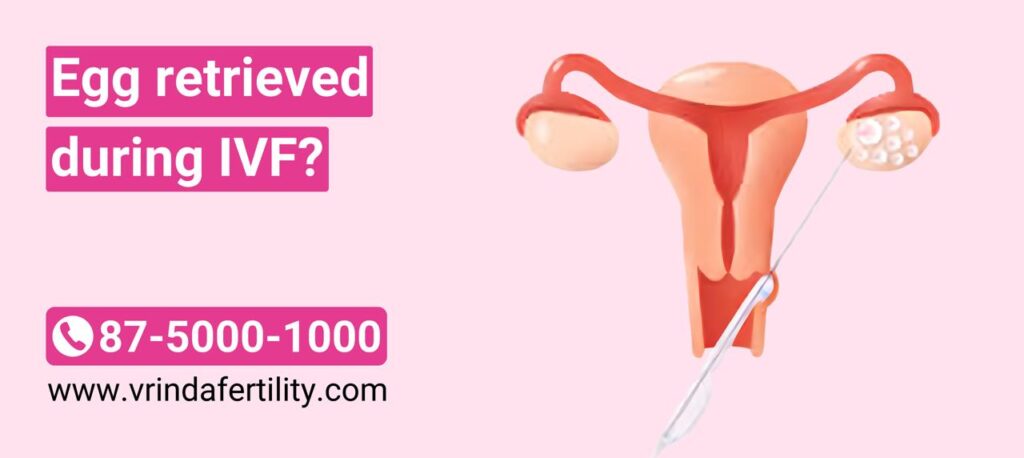
When couples begin their IVF journey, one of the first questions they often ask is: “How Many Egg retrieved during IVF?” This number can vary widely, but understanding what influences it can help set realistic expectations and increase your chances of success.
At Vrinda Fertility, we believe that knowledge is empowerment. So, let’s explore what happens during egg retrieval, what determines egg count, and why quality often matters more than quantity.
Understanding the Egg retrieved during IVF
Egg retrieval is one of the most crucial stages of the in vitro fertilization (IVF) process. It occurs after ovarian stimulation, where fertility medications are used to encourage the ovaries to produce multiple mature eggs.
Here’s a quick overview of the process:
- Ovarian Stimulation: Fertility drugs (like FSH and LH) stimulate multiple follicles to grow.
- Monitoring: Ultrasound scans and blood tests track follicle development.
- Trigger Shot: When follicles reach the right size, an hCG or GnRH trigger shot induces final egg maturation.
- Egg Retrieval: About 34–36 hours later, eggs are collected from the ovaries using a minor procedure under sedation.
Average Number of Eggs Retrieved During IVF
On average, 10–15 eggs are typically retrieved during an IVF cycle. However, this number can differ significantly based on several factors, including:
- Age:
- Women under 35: 10–20 eggs (average 12–15)
- Women 35–40: 6–10 eggs
- Women over 40: 3–6 eggs
- Women under 35: 10–20 eggs (average 12–15)
- Ovarian Reserve: Measured through AMH (Anti-Müllerian Hormone) and antral follicle count (AFC) tests.
- Stimulation Protocol: Dosage and type of fertility medications used.
- Lifestyle & Health: Nutrition, stress, sleep, and overall health can affect response.
At Vrinda Fertility, our fertility specialists personalize every treatment plan based on your unique hormonal profile, ensuring optimal egg yield without overstimulation.
Does More Eggs Mean Better IVF Success?
Not necessarily. While having more eggs increases the chances of finding high-quality embryos, quality trumps quantity in IVF.
Here’s why:
- A woman may produce 15 eggs, but only 8–10 may mature.
- Of these, 6–8 may fertilize.
- Typically, 2–4 embryos reach the blastocyst stage suitable for transfer or freezing.
So, it’s not just about how many eggs are retrieved — it’s about how many healthy embryos result from them.
What Is a Good Number of Eggs for IVF Success?
Generally:
- 10–15 mature eggs is considered ideal.
- 5–10 mature eggs can still lead to a successful IVF outcome.
- Even a few high-quality eggs can be enough — especially if you’re under 35 or using advanced techniques like ICSI (Intracytoplasmic Sperm Injection) or PGT-A (Preimplantation Genetic Testing).
At Vrinda Fertility, our embryologists focus on maximizing egg quality through advanced lab techniques and personalized stimulation strategies.
Factors Affecting Egg Retrieval Count
- Age: Egg quantity and quality decline with age, particularly after 35.
- Ovarian Reserve: Low AMH levels may limit the number of eggs retrieved.
- Fertility Medications: The type, dosage, and timing affect how the ovaries respond.
- Underlying Conditions: PCOS, endometriosis, or thyroid disorders can influence egg production.
- Lifestyle Factors: Diet, sleep, BMI, smoking, and stress levels play significant roles.
Our fertility experts at Vrinda Fertility perform comprehensive evaluations to optimize every factor before stimulation begins.
How to Improve Egg Quality and Count Before IVF
Boosting egg health naturally can make a difference. Here are some tips:
- Eat a fertility-friendly diet: Rich in antioxidants, omega-3s, and vitamins C, D, and E.
- Stay hydrated: Improves ovarian function and follicular fluid quality.
- Maintain a healthy weight: Both underweight and overweight conditions can affect egg yield.
- Avoid smoking and alcohol: They directly reduce egg quality.
- Manage stress: Mindfulness, yoga, and adequate sleep can positively influence hormone balance.
At Vrinda Fertility, we offer pre-IVF wellness programs to help optimize your reproductive health naturally before treatment.
Conclusion: Quality Over Quantity – Your IVF Success Starts with Expert Care
While the average number of eggs retrieved during IVF is around 10–15, what truly matters is the quality of those eggs and the expertise guiding your treatment. At Vrinda Fertility, we combine advanced reproductive technologies with compassionate, personalized care to help every couple achieve their dream of parenthood.
Whether you’re just starting your fertility journey or preparing for your next IVF cycle, our team is here to support you every step of the way.
Ready to begin your IVF journey?
📞 Book a consultation with Vrinda Fertility today and discover your personalized IVF success plan. Get Direction Delhi And Noida
Egg Retrieval FAQs
Usually, 10–15 mature eggs give the best chance for success, but even a few good-quality eggs can result in pregnancy.
Don’t worry — fewer eggs don’t necessarily mean failed IVF. What matters is the maturity and quality of the eggs.
Yes. With advanced techniques like ICSI, even a single mature egg can result in a viable embryo and pregnancy.
The retrieval process itself takes about 15–30 minutes and is done under mild sedation. Most women resume normal activities within a day.
Your doctor may suggest dietary changes, vitamin supplements, or a tailored stimulation protocol to improve ovarian response.