
Hysteroscopy Treatment:
Treatments > Hysteroscopy Treatment
Meet With Our Specialists

Dr Anushka Madan
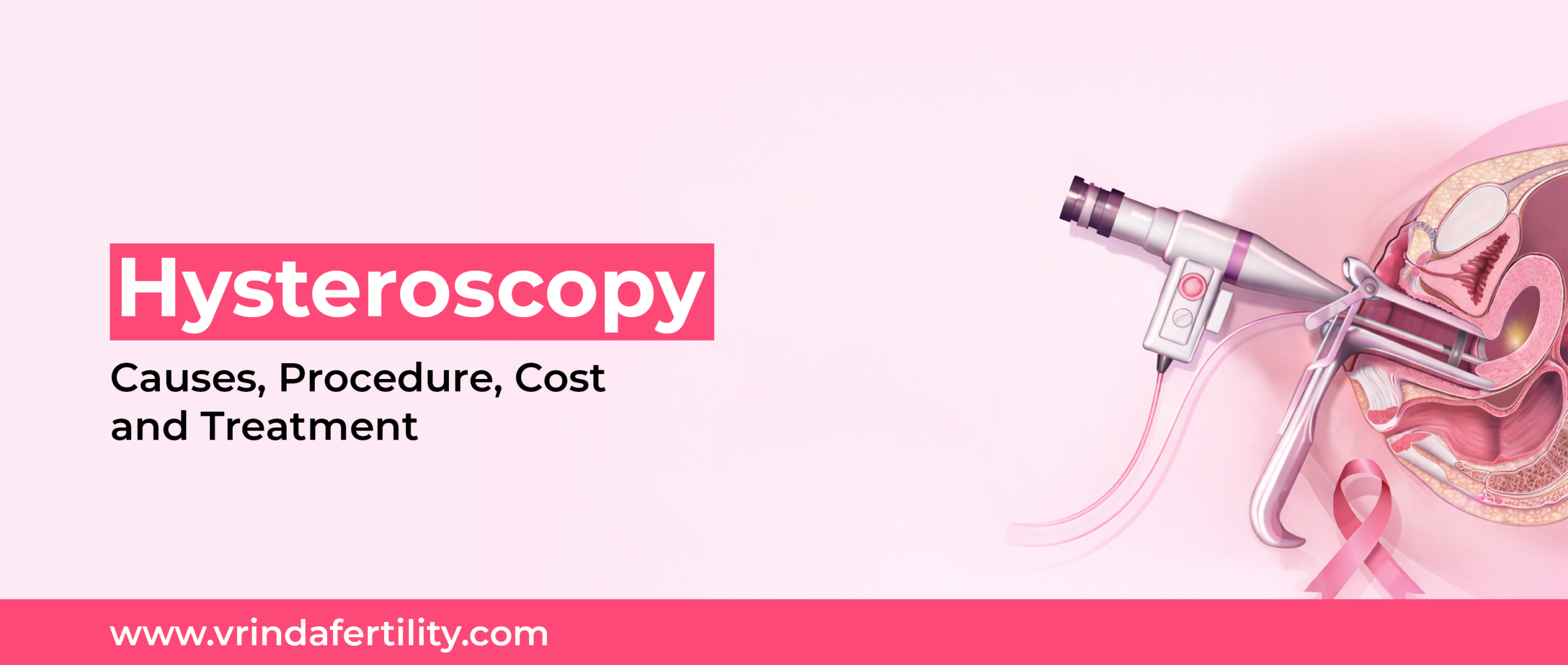
Hysteroscopy Treatment: Diagnosis and Care
Hysteroscopy is a new and painless procedure that allows healthcare professionals to diagnose and provide treatment for various uterine concerns while also visualizing and directly interacting with the inside of the uterus. By doing so, obstetricians and gynecologists are able to determine the best and most precise course of treatment to address a patient’s uterus. This gives patients the opportunity to avoid unnecessary invasive treatments. This document provides a complete overview of the procedure including, but not limited to, indications for procedure, benefits and risks involved, and recovery time. This way, patients are able to pull together a well-informed decision.
What Is Hysteroscopy?
Hysteroscopy is a procedure in which a thin, lighted tube (hysteroscope) is gently passed through the vagina and cervix into the uterus. It provides a clear view of the uterine cavity, allowing clinicians to diagnose abnormalities and, when needed, treat them during the same session.
TESA is recommended for men experiencing:
- Diagnostic hysteroscopy – to investigate symptoms or confirm findings.
- Operative hysteroscopy – to correct identified problems using specialized instruments.
When Is Hysteroscopy Treatment Recommended?
Doctors may recommend hysteroscopy to evaluate or manage:
- Abnormal uterine bleeding (heavy, irregular, or postmenopausal)
- Uterine polyps or submucosal fibroids
- Recurrent miscarriage or infertility evaluation
- Adhesions (scar tissue) inside the uterus
- Congenital uterine anomalies (e.g., septum)
- Retained products of conception after pregnancy loss
How the Procedure Is Performed
- 1. Preparation:
- The cervix may be gently dilated; anesthesia can range from local to general depending on the case.
- 2. Insertion:
- The hysteroscope is inserted through the cervix into the uterus.
- 3. Visualization:
- Saline or gas expands the uterine cavity for clear viewing.
- 4. Treatment (if needed):
- Polyps, fibroids, adhesions, or septa can be treated immediately.
- 5. Completion:
- The scope is removed; most patients go home the same day.
Benefits of Hysteroscopy Treatment
- Minimally invasive with no external incisions
- High diagnostic accuracy due to direct visualization
- Same-day diagnosis and treatment in many cases
- Short recovery time and reduced hospital stay.
- Preserves fertility when treating intrauterine causes
Risks and Safety Considerations
Hysteroscopy is generally safe, but potential risks include:
- Mild cramping or spotting
- Infection (rare)
- Uterine perforation (very rare)
- Fluid overload (uncommon and monitored carefully)
Choosing an experienced gynecologist and following pre/post-procedure instructions minimizes risks.
Recovery and Aftercare
- Same-day discharge is common
- Light bleeding or cramps may occur for 1–2 days
- Resume normal activities within 24–48 hours (as advised)
- Avoid intercourse, tampons, or douching for a short period
- Contact your provider if you develop fever, severe pain, or heavy bleeding
Hysteroscopy and Fertility
For individuals facing infertility or recurrent pregnancy loss, hysteroscopy can identify and correct uterine factors that hinder implantation or pregnancy maintenance. Treating polyps, fibroids, or adhesions may significantly improve outcomes.
FAQs
Most patients experience mild discomfort. Pain control options are tailored to the procedure’s complexity.
Typically 10–30 minutes, depending on whether treatment is performed.
Yes. In many cases, fertility improves after treating uterine abnormalities.
No. It’s usually an outpatient procedure.
Diagnostic findings are often discussed immediately; biopsy results may take a few days.
Conclusion
Assessed over October 2023, a hysteroscopy is a highly accurate, effective, and low-risk method for the diagnosis and treatment of uterine disorders. It is a versatile and time-efficient technique with minimal patient downtime, often allowing multiple concerns to be addressed in a single appointment. Today, hysteroscopy is considered a hallmark of modern outpatient gynecology. At Vrinda Fertility, this procedure is commonly recommended for women experiencing abnormal uterine bleeding or fertility-related concerns, as it provides clear insights into uterine health. Discussing hysteroscopy with an experienced specialist can offer both medical clarity and much-needed reassurance during the fertility journey.
Get Direction: Delhi | Noida