
Laparoscopic Surgery
Meet With Our Specialists

Dr Anushka Madan
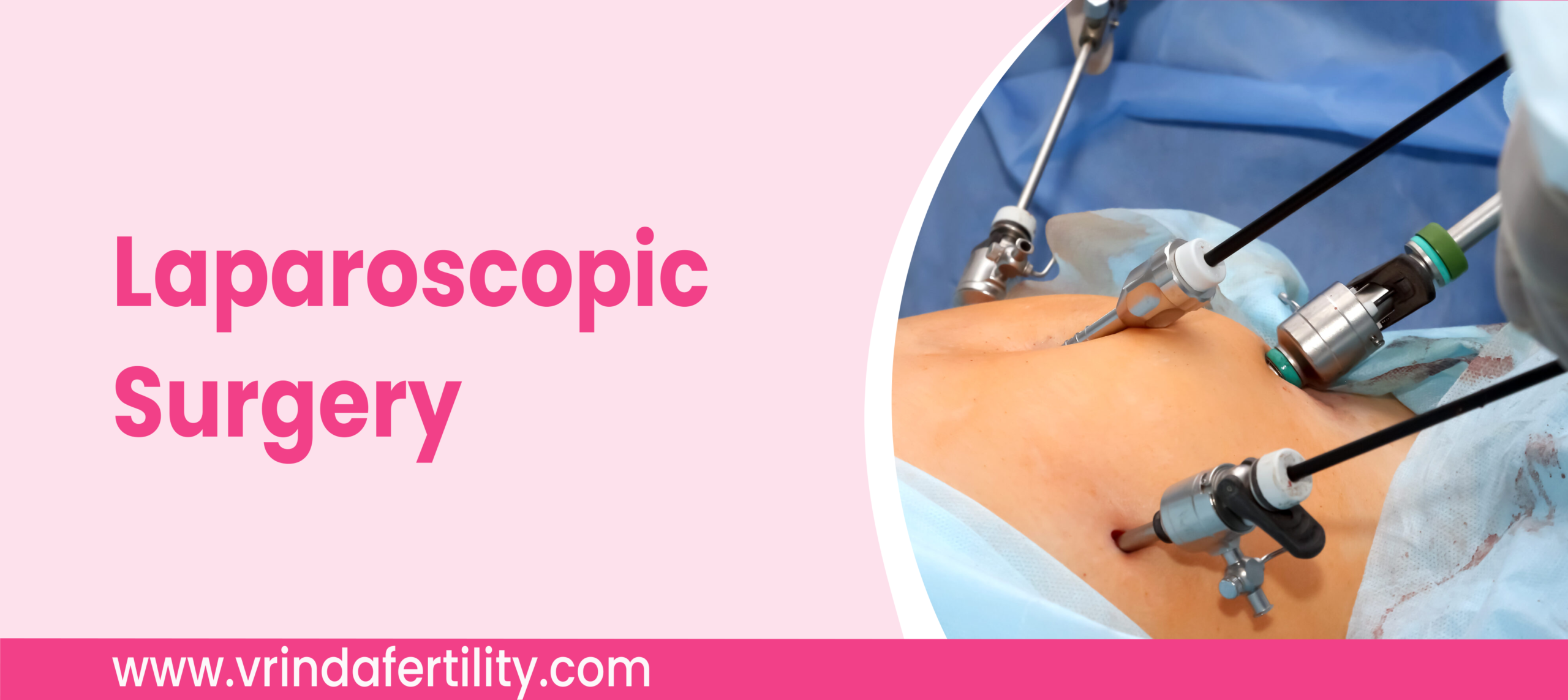
Instead of utilizing an open surgery technique, laparoscopic surgery utilize small incisions on the body to allow the physician to operate with greater ease on the internal body. It is a technique that has more beneficial characteristics compared to standard surgery, like a lower recovery time, surgeries that are less invasive, and experience less pain. Overtime, the laparoscopic technique has gained a lot of popularity in surgeries that are part of the gastrointestinal, gynecological and reproductive systems, being the most ideal technique to utilize. It has gained popularity because of the favorable outcomes surgery patients experience.
What Is Laparoscopic Surgery?
The thin appendage that docs insert to assess the patient’s organs is called a laparoscope, and it has a camera embedded within it that relays information to an external monitor/electronic screen. It is then, using tiny surgical instruments, that the doctor preforms the operational part of the procedure, the surgical part of the procedure.
Doc might treat more than one ailment within the same surgery. Some of the most common conditions are concerning the patient’s ovaries and filed under the categores of ovarian cysts, fibroids, and/or something called endometriosis, where the innermost membranes of the patients abdomen become problematic. Another is known as ectopic pregnancy, a problemaric pregnancy that sometimes makes the abdomen painful. SideNote: Sometimes it is the blocked fallopian tubes that provide the performance of the abdomen pain.
Why Laparoscopy Is Preferred
1. Minimal pain & quick recovery
With laparoscopic procedures, patients have less pain overall than they would with open surgeries, as laparoscopic surgeries use small incisions.
2. High accuracy & better outcomes
In laparoscopic surgeries, surgeons use a camera with high magnification. This lets them be a lot more precise in their surgeries and increases the success rate.
3. Safe, effective, & less scarring
Laparoscopic procedures lead to less bleeding, as well as smaller incisions than other procedures, which also translates to a faster recovery.
Conditions Treated with Laparoscopic Treatment
Laparoscopic surgery is effective for a wide range of medical and fertility-related issues, such as:
- Endometriosis
- Ovarian cyst removal
- Fibroid removal
- Pelvic adhesions
- Blocked tubes (diagnostic + corrective)
- Ectopic pregnancy
- Chronic pelvic pain
- Reproductive structural problems affecting fertility
This safe and advanced Laparoscopic procedure often helps women improve their reproductive health and supports fertility treatment planning.
Types of Laparoscopic Procedures
1. Diagnostic Laparoscopy
Used to identify the cause of pelvic pain, infertility, or internal abnormalities.
2. Operative Laparoscopy
A therapeutic laparoscopic procedure performed to correct conditions such as cysts, fibroids, endometriosis, or adhesions.
3. Fertility-Focused Laparoscopic Surgery
Specialized laparoscopic treatment to restore reproductive organ function — crucial for couples planning fertility treatments.
Laparoscopic Process Step-by-Step
The Micro TESE procedure is done in a medical operating room by trained specialists in urology or andrology.
Step-by-Step Process
- Types of anesthesia is administered.
- Important sections of androsternal tissue are microsurgically incised and exposed.
- Heart of the organ is then microsurgically dissected from fatty tissue and placed in a surgical miroms.
- Healthy sperm-producing tubules are identified.
- Micro-instruments are used to extract viable sperm.
- Sperm extracted is used in ICSI or cryopreserved.
Microdissection TESE is done to minimize tissue damage by only orchestrally excising sperm-producing tubules,
Benefits of This Treatment for Fertility
For fertility patients, laparoscopic treatment helps by:
- Removing cysts or fibroids that interrupt conception
- Treating endometriosis to improve ovarian function
- Opening blocked fallopian tubes
- Restoring normal pelvic anatomy
- Increasing chances of natural pregnancy or IVF success
This makes laparoscopic treatment a cornerstone of modern fertility care.
Recovery After Laparoscopic
Most patients recover quickly, often returning to routine activities within 3–7 days.
During the healing phase:
- Mild pain or bloating is normal
- Avoid heavy lifting for two weeks
- Follow-up visits help monitor recovery
A well-performed laparoscopic ensures long-term relief with minimal complications.
Risks & Safety of Laparoscopic Treatment
Though generally very safe, minor risks can include infection, bleeding, or anaesthesia-related reactions. However, experienced surgeons reduce these risks through advanced techniques and careful monitoring throughout the laparoscopic surgery.
Conclusion:
Laparoscopic treatment is one of the most trusted, precise, and minimally invasive methods for diagnosing and treating pelvic and abdominal conditions. With faster recovery, less pain, high accuracy, and excellent fertility outcomes, the laparoscopic treatment approach continues to be a preferred choice for modern medical care.
Consult our specialists at Vrinda Fertility — Noida & Delhi Centres.