
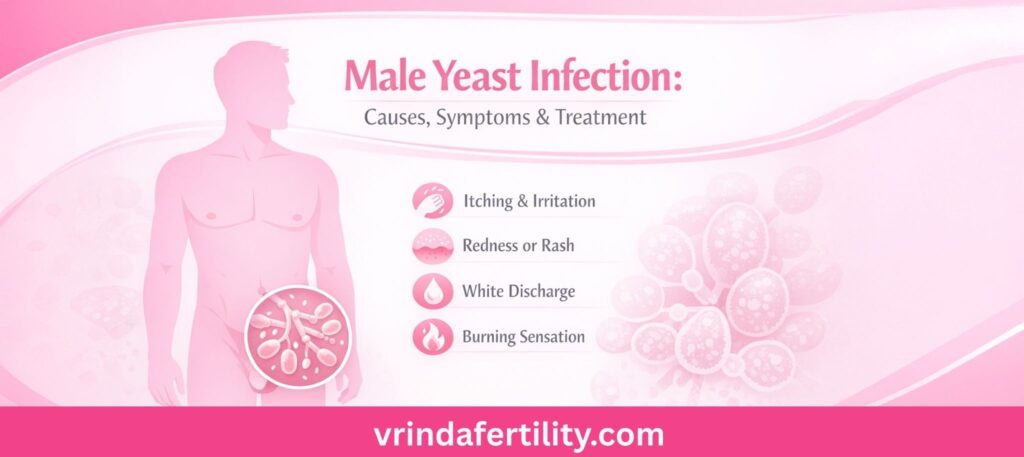
Male Yeast Infection is quite common and often misinterpreted in men. It is referred to as “candidiasis,” and it is the overgrowth of “Candida albicans,” which is naturally present on the skin’s surface. However, once the body’s balance is interrupted, “Candida” begins to grow and causes infection.
In order to be able to diagnose it early, treat it properly, and, of course, prevent its recurrence, it is very important that every man knows about its symptoms and treatments.
What Is a Male Yeast Infection?
A male candidisias takes place when the Candida fungus overgrows on the penis or adjacent skin areas. Though yeast infections are generally talked about as occurring among women, there are times when this type of infection affects males, especially those with risk factors.
Men whose foreskins are not circumcised, who have diabetes, compromised immunity, and poor genital and surrounding area hygiene tend to develop a yeast infection.
Causes of Male Yeast Infection
Several factors can disturb the natural balance of microorganisms on the skin, leading to a male yeast infection.
Common Causes Include:
- Poor genital hygiene
- Uncontrolled diabetes
- Prolonged use of antibiotics
- Excess moisture or sweating
- Weakened immune system
- Sexual contact with a partner who has a yeast infection
Symptoms of Male candidiasis
Recognizing early male yeast infection symptoms helps prevent complications and transmission.
Common Symptoms
- Redness or inflammation on the penis
- White, clumpy discharge under the foreskin
- Burning sensation during urination or intercourse
- Itching or irritation around the genital area
- Foul odor
- Dry, cracked skin
Symptoms may worsen if left untreated, leading to balanitis (inflammation of the head of the penis).
How Is Male Yeast Infection Diagnosed?
The diagnosis of the case of the male yeast infection can be made conveniently based on the following:
- Physical examination
- Medical history review
- Laboratory testing (swab or microscopic examination in recurrent cases)
Early diagnosis ensures faster recovery and prevents reinfection.
Male Yeast Infection Treatment Options
Effective yeast infection treatment depends on severity and recurrence.
1. Antifungal Medications
- Topical antifungal creams (clotrimazole, miconazole)
- Oral antifungal drugs in severe cases
2. Lifestyle & Hygiene Changes
- Keeping the genital area clean and dry
- Avoiding scented soaps or harsh cleansers
- Wearing breathable cotton underwear
3. Treating the Partner
If sexually transmitted, both partners should be treated to avoid reinfection.
Can Male Yeast Infection Affect Fertility?
A male yeast infection itself does not directly cause infertility. However, chronic infections and untreated inflammation can affect sexual health and comfort, indirectly impacting reproductive health.
Prevention Tips for Male Yeast Infection
Preventing recurrence is just as important as treatment.
Proven Prevention Measures
- Maintain good genital hygiene
- Control blood sugar levels if diabetic
- Avoid unnecessary antibiotic use
- Practice safe sex
- Change out of sweaty clothes promptly
When to See a Doctor
Consult a healthcare professional if:
- Symptoms persist beyond one week
- Infections recur frequently
- Pain, swelling, or discharge worsens
- You have diabetes or immune disorders
Early medical guidance ensures accurate diagnosis and effective care.
Conclusion
A yeast infection in a male individual is a treatable and preventable medical condition if diagnosed in the early stages. Hygiene practices, accompanied by the use of antifungal medication and changes in behavior, will see a male yeast infection patient recuperate in a short while. If the signs are neglected, a male yeast infection may cause complications.
When performed at a trusted fertility center, offers a safe, effective, and scientifically proven path toward parenthood.At Vrinda Fertility, we personally guide every couple – bringing medical expertise, latest technology, and emotional support to realize your dream of becoming parents. Get Direction for Best IVF Centre In Delhi and Noida
Frequently Asked Questions
Overgrowth of Candida yeast due to moisture, poor hygiene, diabetes, or a weakened immune system.
Yes, yeast infections can be transmitted through unprotected sexual contact.
With proper treatment, symptoms usually resolve within 7–14 days.
Most cases are mild, but untreated infections can become recurrent or severe.
Mild cases may improve, but medical treatment is recommended to prevent recurrence.