
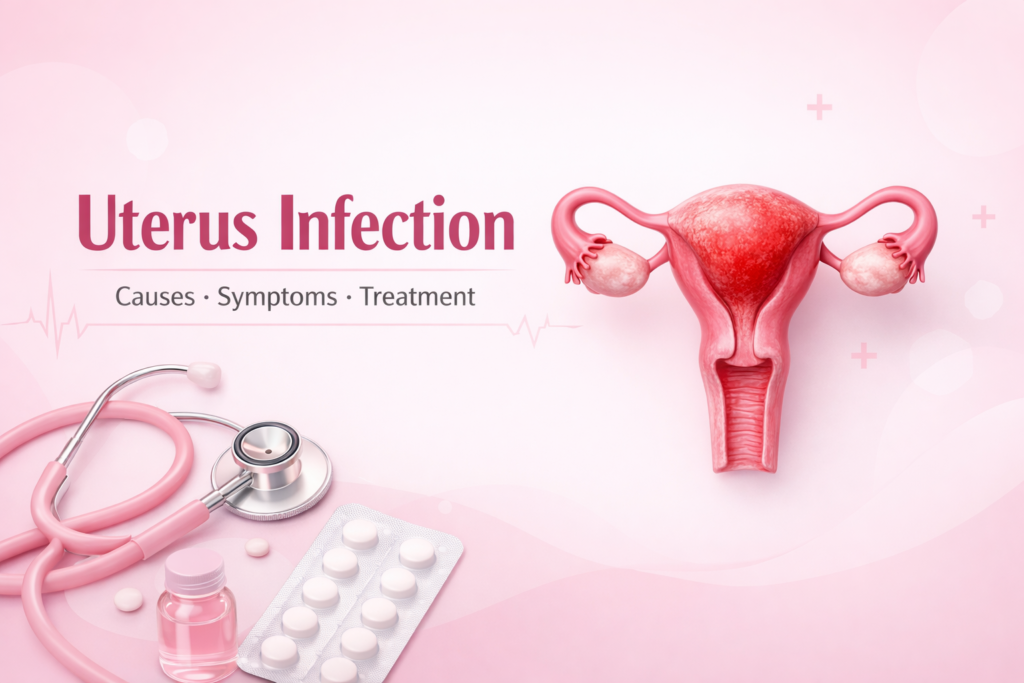
uterus infection treatment is needed in order to ensure the protection of the reproductive system of a woman. Uterine infection, also known as endometritis, can occur at any age. Uterine infection is accompanied by pain such as in the pelvic area, in addition to being experienced in pregnant women. Uterine infection in pregnant women, therefore, poses a risk.
Uterus infection treatment, along with how it occurs, symptoms, test results, and methods to avoid such infection, has been discussed in this resource along with the need to visit a fertility specialist.
What Is a Uterus Infection?
in uterus :
Uterus infection can be viewed as taking place whenever the uterus or better still, the endometrium becomes infected due to bacteria or other infection-causing materials. endometritis treatment may result from childbearing, miscarriage, abortion, surgery related to reproductive systems, as well as vaginal infection that hasn’t yet been addressed.
If the treatment of the infection of the uterus is done earlier, there is a possibility of preventing the infection from spreading to other related parts such as the tubes and the ovaries.
Common Causes of endometrial Infection
Knowledge of the cause of a problem is the beginning of effectively treating a uterus infection. Some of the most common causes of a uterine infection are
- Untreated bacterial vaginosis
- Sexually transmitted infections (STIs) like chlamydia or gonorrhea
- Poor post-delivery or post-surgical hygiene
- Prolonged labor or multiple vaginal examinations
- Retained tissue after miscarriage or delivery
- Tissue remaining following miscarriage or childbirth Unjudicious insertion of intrauterine devices (IUDs)
Symptoms of endometritias treatment You Should Not Ignore
These symptoms can be mild to severe. If uterine infections are not treated, the following symptoms can occur:
- Lower abdominal or pelvic pain
- Abnormal vaginal discharge with foul odor
- Irregular or heavy menstrual bleeding
- Fever and chills
- Pain during intercourse
- Fatigue or general weakness
Pain during coitus Fatigue/weakness The symptoms may get worse if they aren’t treated; fertility levels may be affected then.
How Is a Uterus Infection Diagnosed?
Accurate diagnosis ensures successful uterus infection treatment. Gynecologists may recommend:
Clinical Examination
A pelvic exam to check for uterine tenderness and discharge.
Laboratory Tests
- Vaginal swab tests
- Blood tests to detect infection markers
Imaging Studies
- Ultrasound to identify uterine abnormalities
- Advanced imaging if complications are suspected
Early diagnosis improves recovery outcomes and prevents recurrence.
Effective Uterus Infection Treatment Options
uterine infection treatment depends on the severity and underlying cause of the infection.
1. Antibiotic Therapy
Most uterine infections respond well to oral or intravenous antibiotics. Completing the full course is essential for complete recovery.
2. Pain & Symptom Management
Anti-inflammatory medications help relieve pelvic pain, fever, and discomfort during treatment.
3. Hospitalization (Severe Cases)
In advanced infections, hospitalization may be required for IV antibiotics and close monitoring.
4. Treating the Root Cause
- Removal of retained tissue
- Treatment of STIs in both partners
- Correction of hygiene-related factors
Expert-guided uterus infection treatment significantly lowers the risk of recurrence.
Uterus Infection Treatment and Fertility Impact
If not treated, infections of the uterus can cause damage to the endometrium. This can cause implantation failure regarding fertility. Conversely, infections of the uterus can be treated to restore wellness and promote success for conception.
Women planning pregnancy or undergoing fertility treatments should ensure infections are fully resolved before conception.
Preventive Measures to Avoid Uterine Infections
Prevention plays a key role alongside uterine infection treatment. Recommended steps include:
- Maintaining proper intimate hygiene
- Seeking early treatment for vaginal infections
- Practicing safe sex
- Regular gynecological check-ups
- Post-procedure follow-ups after delivery or surgery
These steps reduce the likelihood of recurrent uterine infections.
When Should You See a Doctor?
Consult a gynecologist immediately if you experience persistent pelvic pain, abnormal discharge, or fever. Early medical care ensures effective uterine infection treatment and prevents complications such as pelvic inflammatory disease (PID).
Why Choose Expert Care for Uterine Infection Treatment?
Specialist-led care ensures:
- Accurate diagnosis
- Personalized treatment plans
- Protection of long-term reproductive health
- Fertility-focused infection management
Frequently Asked Questions
Is uterus infection treatment always successful?
Yes, most infections resolve completely with timely and appropriate medical treatment.
Can uterus infection recur?
Recurrence is possible if underlying causes are not treated. Preventive care reduces risk.
Can I conceive after uterine infection treatment?
Yes, many women conceive successfully after proper treatment and recovery.
Conclusion
Uterus infection treatment is a critical aspect of women’s reproductive healthcare. Early diagnosis, expert medical care, and preventive measures can effectively cure infections and safeguard fertility. Ignoring symptoms may lead to serious complications, making timely intervention essential.
When performed at a trusted fertility center, offers a safe, effective, and scientifically proven path toward parenthood.At Vrinda Fertility, we personally guide every couple – bringing medical expertise, latest technology, and emotional support to realize your dream of becoming parents. Get Direction for Best IVF Centre In Delhi and Noida