
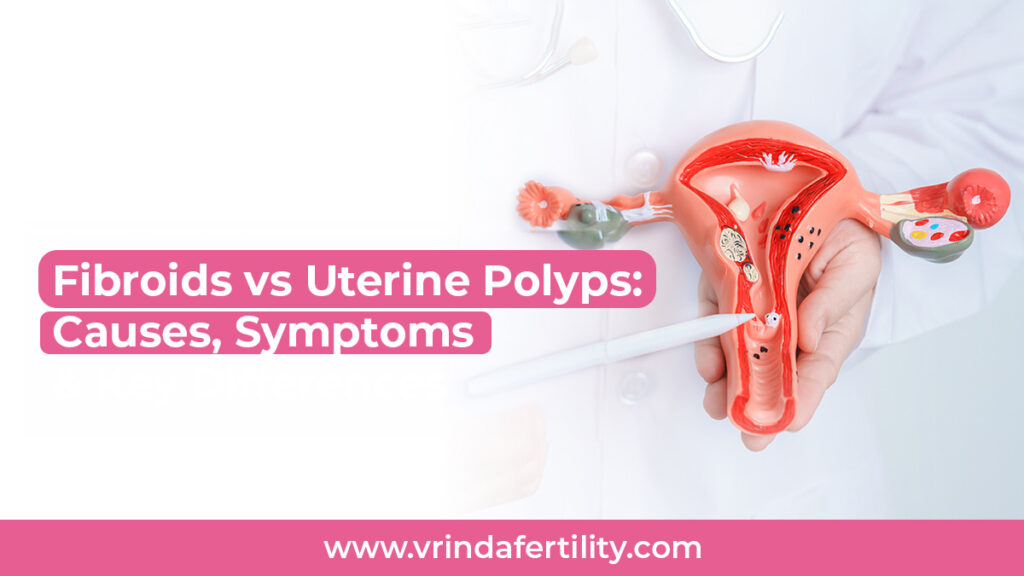
Related conditions such as uterine fibroids and uterine polyps affect women’s reproductive health. They inflict similar pain such as abnormal bleeding and affect fertility resulting in women confusing the two. However, the two are different conditions in origin, structure, and form of treatment.
It is important women understand the two conditions, especially those that are trying to get pregnant, or have inconsistent menses. The purpose of this blog is to define, differentiate, and understand the causes, effects, and methods of diagnosis of both conditions.
What Are Fibroids?
Uterine fibroids, or simply fibroids, are non-cancerous tumors that grow on or in the uterus. Fibroids have a muscle tissue composition and can be as small as a seed or as big an apple.
Fibroids can be categorized as:
- Submucosal (growing inside the uterus)
- Subserosal (growing outside the uterus)
- Intramural (growing in the uterine wall)
- Pedunculated (growing on a stalk)
What Causes Fibroids?
Although the exact cause of growth is still being studied, several factors have been implicated.
Hormonal causes (estrogen and progesterone levels)
- Genetics
- Obesity
- Lifestyle choices
What Are Uterine Polyps?
Endometrial polyps, commonly referred to as uterine polyps, are soft non-malignant growths in the endometrium that line the inner uterus. Polyps are usually smaller than fibroids.
What Causes Uterine Polyps?
- Chronic inflammation
- Hormone levels such estrogen
- Hormonal fluctuations
- Age (most common between 40 to 50)
Symptoms of Fibroids
Fibroids may not always show symptoms, but when they do, common signs include:
- Heavy or prolonged menstrual periods
- Pelvic pain or pressure
- Frequent urination
- Pain during intercourse
- Lower back pain
- Infertility or pregnancy complications
Symptoms of Uterine Polyps
Uterine polyps often cause noticeable menstrual irregularities:
- Irregular periods
- Bleeding between periods
- Heavy menstrual bleeding
- Postmenopausal bleeding
- Difficulty conceiving
Key Differences Between Fibroids and Uterine Polyps
| Feature | Fibroids | Uterine Polyps |
| Origin | Muscle layer of uterus | Inner lining (endometrium) |
| Size | Can be large | Usually small |
| Structure | Firm and dense | Soft and spongy |
| Number | Single or multiple | Usually multiple |
| Cancer Risk | Rare | Slightly higher (but still low) |
| Impact on Fertility | Depends on size/location | Can block implantation |
How Do Fibroids and Polyps Affect Fertility?
Both fibroids and uterine polyps can interfere with fertility, but in different ways.
Fibroids and Fertility
- May block fallopian tubes
- Distort the uterine cavity
- Affect embryo implantation
- Prevent embryo implantation
- Cause inflammation in the uterus
- Increase risk of miscarriage
Women undergoing IVF treatment are often advised to remove polyps or large fibroids to improve success rates.
Diagnosis of Fibroids and Polyps
Doctors use several methods to diagnose these conditions:
- Ultrasound (first-line imaging test)
- Hysteroscopy (direct visualization of uterus)
- MRI (for detailed analysis in complex cases)
- Sonohysterography
Early diagnosis is crucial for effective treatment and better reproductive outcomes.
Treatment Options
Treatment for Fibroids
- Medications (hormonal therapy)
- Non-invasive procedures
- Myomectomy (surgical removal of fibroids)
- Hysterectomy (in severe cases)
- Medications (temporary relief)
- Hysteroscopic polypectomy (removal of polyps)
Most uterine polyps can be removed easily with minimally invasive procedures.
When Should You See a Doctor?
You should consult a fertility specialist or gynecologist if you experience:
- Heavy or irregular periods
- Pelvic pain
- Difficulty getting pregnant
- Recurrent miscarriages
Early medical intervention can prevent complications and improve fertility outcomes.
Prevention Tips
While you cannot completely prevent fibroids or polyps, you can reduce risk by:
- Maintaining a healthy weight
- Eating a balanced diet
- Managing stress
- Regular gynaecological checkups
Conclusion
Fibroids and uterine polyps are both common uterine conditions but differ significantly in their origin, size, symptoms, and impact on fertility. While fibroids arise from the muscle layer of the uterus, polyps develop in the uterine lining.
Understanding these differences helps in early diagnosis and choosing the right treatment plan. If you are planning pregnancy or facing fertility issues, timely evaluation and treatment can significantly improve your chances of success.
Frequently Asked Questions (FAQ)
No, they are different conditions. Fibroids develop in the muscle layer, while polyps grow in the uterine lining.
Fibroids are usually non-cancerous, and the risk of cancer is extremely low.
Yes, polyps can reduce implantation rates, so they are often removed before IVF.
Both are generally benign, but untreated conditions can lead to complications depending on size and symptoms.