
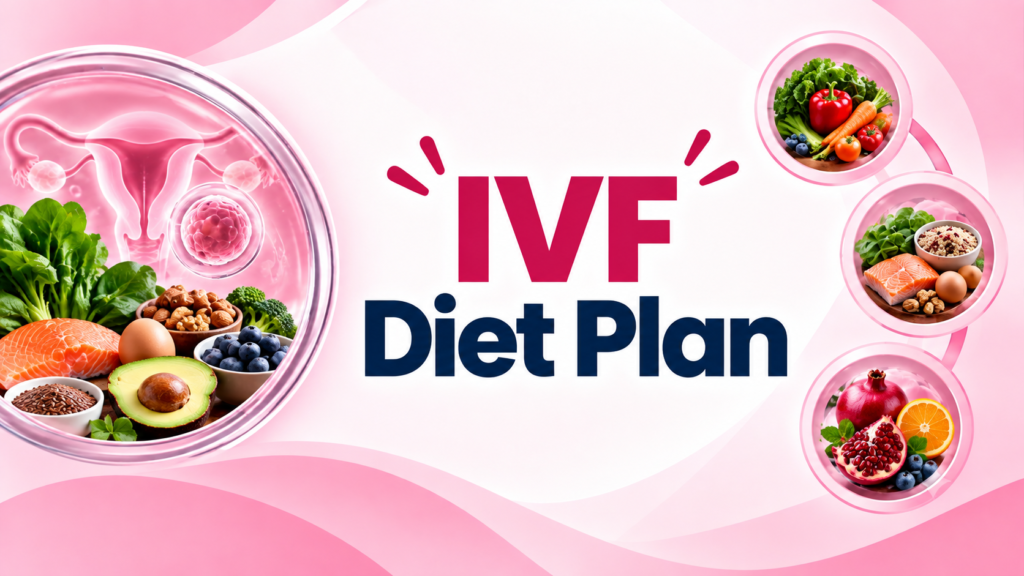
Preparing for IVF involves more than medical appointments and medications. Nutrition can also play an important supporting role in overall reproductive health. A balanced IVF diet plan can help provide the vitamins, minerals, antioxidants, healthy fats, protein, and other nutrients the body needs during fertility treatment.
While no specific food can guarantee pregnancy or dramatically change egg or sperm quality overnight, a nutrient-dense eating pattern can support general health and create favorable conditions for reproductive function.
This guide explains what to eat before and during IVF, which foods may support egg and sperm health, what to limit, and how couples can build a practical fertility-friendly meal plan.
What Is an IVF Diet Plan?
An IVF diet plan is a balanced eating approach designed to support nutritional needs before and during in-vitro fertilization treatment.
Rather than focusing on a restrictive “fertility diet,” the goal is to consistently eat a variety of whole and minimally processed foods, including:
- Vegetables and fruits
- Whole grains
- Beans and lentils
- Nuts and seeds
- Eggs, fish, poultry, and other protein sources
- Healthy unsaturated fats
- Adequate fluids
Nutrition is only one part of fertility care. Age, ovarian reserve, sperm parameters, underlying medical conditions, genetics, lifestyle factors, and the IVF protocol itself can all influence treatment outcomes.
Can Diet Improve Egg Quality During IVF?
Egg quality is influenced by factors such as age and ovarian biology, and diet cannot reverse age-related changes in egg quality.
However, eating a balanced diet can support overall metabolic and nutritional health. Foods containing antioxidants, folate, iron, omega-3 fatty acids, vitamin D, vitamin C, vitamin E, and other nutrients can contribute to a healthy diet.
Good food choices include:
- Leafy green vegetables
- Berries and other colorful fruits
- Avocado
- Nuts and seeds
- Beans and lentils
- Whole grains
- Eggs
- Fish that is low in mercury
- Yogurt or other nutritious dairy foods
The key is overall dietary quality rather than one “superfood.”
Foods to Support Egg Health
1. Leafy Green Vegetables
Spinach, kale, broccoli, fenugreek leaves, lettuce, and other green vegetables provide folate, vitamin C, carotenoids, and other nutrients.
Try adding leafy greens to:
- Dal
- Vegetable curries
- Soups
- Salads
- Omelets
- Smoothies
2. Berries and Colorful Fruits
Blueberries, strawberries, raspberries, oranges, guava, pomegranate, and other fruits provide vitamin C and a range of plant compounds.
Instead of relying on fruit juice, choose whole fruit more often because it also provides fiber.
3. Avocado
Avocado provides monounsaturated fat along with fiber and several micronutrients. It can be added to salads, whole-grain toast, wraps, or meals.
4. Nuts and Seeds
Almonds, walnuts, pistachios, chia seeds, flaxseeds, and pumpkin seeds can provide healthy fats, protein, fiber, magnesium, and other nutrients.
A small handful can work well as a snack.
5. Whole Grains
Choose foods such as:
- Oats
- Brown rice
- Quinoa
- Whole-wheat roti
- Barley
- Millets
These can provide fiber and help make meals more nutritionally balanced.
6. Beans and Lentils
Dal, chickpeas, kidney beans, black beans, peas, and other legumes provide plant protein, folate, iron, and fiber.
They can be especially useful when building a vegetarian IVF diet.
Foods That May Support Sperm Quality
Nutrition matters for male reproductive health as well. Sperm production takes time, so healthy eating should be viewed as a longer-term lifestyle habit rather than a short-term intervention immediately before an IVF cycle.
1. Fatty Fish
Salmon, sardines, and other low-mercury oily fish provide omega-3 fatty acids and protein.
If eating fish during fertility treatment, choose varieties considered lower in mercury and follow your fertility specialist’s recommendations.
2. Eggs
Eggs provide high-quality protein and several micronutrients. They can be included in breakfast, lunch, or dinner as part of a balanced diet.
3. Walnuts
Walnuts are rich in unsaturated fats and can be an easy addition to snacks, oatmeal, salads, or yogurt.
4. Citrus Fruits
Oranges, grapefruit, lemons, and other citrus fruits provide vitamin C and can add variety to a fertility-friendly diet.
5. Tomatoes
Tomatoes contain lycopene, a carotenoid found in many red fruits and vegetables.
Fresh tomatoes can be included in salads, soups, curries, and sandwiches.
6. Oysters and Other Zinc-Rich Foods
Zinc is an essential nutrient involved in many biological processes, including reproductive function.
Other dietary sources include:
- Meat
- Poultry
- Dairy
- Eggs
- Beans
- Nuts
- Seeds
Supplements should not be taken simply because a nutrient is associated with fertility. Excessive intake of some nutrients can be harmful.
Best Foods to Eat During IVF
A practical IVF meal plan can follow a Mediterranean-style pattern, adapted to personal preferences and cultural foods.
Breakfast
Choose combinations such as:
- Oatmeal with berries, walnuts, and seeds
- Vegetable omelet with whole-grain toast
- Plain yogurt with fruit, nuts, and oats
- Vegetable poha with a protein source
- Moong dal chilla with vegetables and yogurt
Mid-Morning Snack
Options include:
- Whole fruit
- Unsalted nuts
- Plain yogurt
- Roasted chickpeas
- A fruit-and-yogurt combination
Lunch
A balanced lunch could include:
- Whole-wheat roti or brown rice
- Dal or another protein source
- Two portions of vegetables
- Salad
- Yogurt or another suitable dairy food
For non-vegetarians, grilled or lightly cooked fish or poultry can replace or accompany plant-based protein.
Evening Snack
Try:
- Fruit
- Nuts and seeds
- Roasted chickpeas
- Vegetable soup
- Plain yogurt
Dinner
Keep dinner balanced rather than excessively restrictive.
For example:
Option 1: Grilled fish + vegetables + brown rice
Option 2: Dal + mixed vegetables + whole-wheat roti
Option 3: Chicken + vegetables + quinoa
Option 4: Paneer/tofu + vegetables + whole grains
A 7-Day IVF Diet Plan
| Day | Breakfast | Lunch | Dinner |
|---|---|---|---|
| Monday | Vegetable omelet + whole-grain toast | Dal + brown rice + vegetables | Grilled fish + vegetables |
| Tuesday | Oats + berries + walnuts | Chickpea salad + roti | Vegetable dal + roti |
| Wednesday | Moong dal chilla + yogurt | Brown rice + rajma + salad | Chicken/tofu + vegetables |
| Thursday | Yogurt + fruit + seeds | Dal + roti + mixed vegetables | Fish + quinoa + vegetables |
| Friday | Vegetable poha + eggs | Chickpeas + brown rice + vegetables | Paneer/tofu + roti + salad |
| Saturday | Oatmeal + fruit + nuts | Lentil soup + whole-grain bread | Chicken/fish + vegetables |
| Sunday | Vegetable omelet + fruit | Dal + roti + vegetables + yogurt | Quinoa + beans + mixed vegetables |
This is a general example, not a personalized medical diet. Calorie requirements, allergies, diabetes, PCOS, thyroid conditions, digestive problems, vegetarian preferences, medications, and other factors can change what is appropriate.
Foods to Limit During IVF
A healthy IVF diet is not about perfection. However, it is sensible to limit foods that provide lots of calories, sugar, sodium, or saturated fat without contributing much nutritional value.
Consider limiting:
- Ultra-processed foods
- Sugary beverages
- Excessive sweets
- Deep-fried foods
- Processed meats
- Excessive refined carbohydrates
- High-sodium packaged foods
- Excessive alcohol
What About Caffeine?
Many fertility clinics recommend limiting caffeine during fertility treatment and pregnancy. Your clinic may provide a specific daily limit based on your circumstances.
Remember that caffeine can come from more than coffee. Tea, energy drinks, cola, chocolate, and some medications may also contain caffeine.
Should You Avoid Sugar During IVF?
There is generally no need to completely eliminate naturally occurring sugars from fruit or dairy foods.
Instead, focus on reducing added sugars, particularly from:
- Soft drinks
- Sweetened beverages
- Desserts
- Candy
- Packaged baked goods
- Highly sweetened breakfast products
Pairing carbohydrates with protein, fiber, and healthy fats can also make meals more satisfying.
Is a Mediterranean Diet Good for IVF?
A Mediterranean-style eating pattern is often discussed in fertility nutrition because it emphasizes vegetables, fruits, legumes, whole grains, nuts, seeds, fish, and unsaturated fats while generally minimizing highly processed foods.
However, evidence linking any specific diet to improved IVF live-birth rates is not strong enough to say that a particular eating pattern guarantees better IVF outcomes.
The most useful takeaway is to adopt a balanced, sustainable dietary pattern rather than chasing individual fertility foods.
IVF Diet for Men and Women
Ideally, both partners should focus on nutritious eating.
For Women
Prioritize:
- Folate-rich foods
- Iron-rich foods
- Protein
- Omega-3 sources
- Colorful fruits and vegetables
- Whole grains
- Adequate hydration
Women preparing for pregnancy should also discuss prenatal vitamins and folic acid with their healthcare provider.
For Men
Focus on:
- Adequate protein
- Fruits and vegetables
- Whole grains
- Nuts and seeds
- Omega-3 sources
- Zinc-rich foods
- Foods containing antioxidants
Lifestyle factors—including smoking, excessive alcohol consumption, obesity, sleep, and physical activity—can also affect male reproductive health.
Hydration During IVF
Water should be the primary beverage for most people.
Adequate hydration supports normal physiological functions and can help prevent dehydration, particularly if appetite, activity, weather, or treatment-related symptoms affect fluid intake.
Useful options include:
- Water
- Unsweetened milk
- Unsweetened herbal beverages when appropriate
- Water-rich fruits and vegetables
Avoid relying heavily on sugary drinks or energy drinks for hydration.
IVF Diet: Foods to Avoid Completely?
There is no universal list of foods that every IVF patient must completely eliminate.
However, food safety becomes particularly important when pregnancy is possible. Follow your fertility clinic’s guidance regarding:
- Raw or undercooked eggs
- Raw or undercooked meat
- Raw seafood
- Unpasteurized dairy products
- Unwashed produce
- High-mercury fish
Some herbal products and fertility supplements can also interact with medications or have uncertain safety during fertility treatment. Discuss supplements and herbal remedies with your fertility specialist before using them.
Does One Food Improve Egg or Sperm Quality?
No single food can reliably transform egg or sperm quality.
Claims surrounding foods such as pomegranate, pineapple, dates, specific seeds, or particular juices are often exaggerated online.
Instead of searching for a single fertility-boosting food, build meals around overall dietary quality, adequate nutrients, and healthy lifestyle habits.
IVF Diet Plan: Important Nutrients
| Nutrient | Food Sources | Why It Matters |
|---|---|---|
| Folate | Leafy greens, beans, lentils | Important for cell division and pregnancy |
| Iron | Lentils, beans, meat, leafy greens | Supports blood and oxygen transport |
| Omega-3 fats | Low-mercury fatty fish, walnuts, seeds | Important for overall health |
| Vitamin C | Citrus, berries, guava, peppers | Antioxidant and supports iron absorption |
| Vitamin E | Nuts, seeds, vegetable oils | Antioxidant nutrient |
| Zinc | Meat, seafood, beans, nuts, seeds | Important for normal reproductive function |
| Protein | Eggs, fish, poultry, dairy, legumes, tofu | Supports tissue and cellular functions |
| Fiber | Whole grains, vegetables, fruit, legumes | Supports digestive and metabolic health |
Common IVF Diet Mistakes
1. Focusing on Superfoods
Eating one “fertility superfood” cannot compensate for an otherwise poor diet.
2. Following an Extremely Restrictive Diet
Severe calorie restriction, prolonged fasting, or eliminating major food groups without medical guidance may make it harder to meet nutritional needs.
3. Taking Too Many Supplements
More is not necessarily better. Certain vitamins and minerals can become harmful at excessive doses.
4. Forgetting Male Fertility
IVF nutrition should not focus exclusively on the woman. Male reproductive health matters too.
5. Expecting Immediate Results
Egg and sperm development are biological processes that occur over time. Dietary changes should be viewed as part of a longer-term healthy lifestyle.
Final Takeaway
The best IVF diet plan is not a strict menu built around a handful of supposed fertility superfoods. It is a sustainable, nutrient-rich eating pattern that supplies adequate protein, healthy fats, fiber, vitamins, minerals, and antioxidants.
For both partners, emphasize vegetables, fruits, whole grains, legumes, nuts, seeds, quality protein, and healthy fats. Limit highly processed foods, excess added sugar, alcohol, and excessive caffeine, while following your clinic’s food-safety guidance.
Most importantly, nutrition should complement—not replace—individualized fertility treatment. Before making major dietary changes or taking fertility supplements, discuss them with your fertility specialist or a registered dietitian who understands IVF.
Note: This article provides general educational information and is not a substitute for individualized medical advice. Fertility treatment plans and dietary requirements vary from person to person.
Visit Vrinda Fertility
Take the next step toward your parenthood journey with expert fertility care, advanced treatments, and personalized treatment plans.
Visit Vrinda Fertility today and consult experienced fertility specialists to understand your fertility needs and explore the right treatment options for you.