
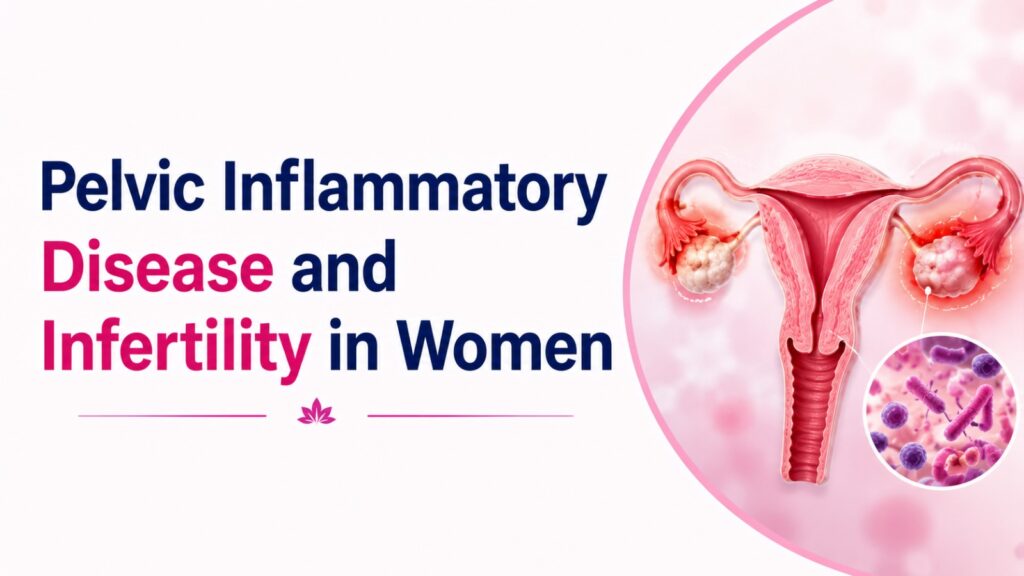
Pelvic Inflammatory Disease (PID) is a major cause of female infertility. PID is a serious infection of the female reproductive organs. PID can cause significant damage to the organs of the reproductive system and the surrounding tissues. PID can cause very mild symptoms and in some cases may not cause any symptoms. Many women are unaware that they have PID until they are faced with infertility.
There are negative implications for the reproductive health of women who do not understand the relationship between PID and infertility. In this article we will describe the PID, its effect on infertility, some of the signs, treatment and preventative measures.
What Is Pelvic Inflammatory Disease?
PID is an infection in the upper female reproductive organs and inflames the uterus and fallopian tubes. PID occurs because bacteria have travelled from the vagina or cervix and inflamed the upper reproductive organs.
PID is most often a result of STIs. PID is also a result of the following:
– Chlamydia
– Gonorrhea
PID can also be a result of other bacterial infections. PID can also result from bacterial vaginosis and in rare cases can be a result of childbirth, miscarriage, abortion and some gynecologic procedures.
The inflammation and scarring of the reproductive system and surrounding tissues is a significant cause for concern in PID.
This could cause scarring that blocks the fallopian tubes and disrupts the normal transport of eggs, increasing the likelihood of infertility or ectopic pregnancy.
Pelvic Inflammatory Disease and Infertility in Women
Pelvic inflammatory disease causes infertility in women due to fallopian tube damage. The fallopian tubes transport eggs from the ovaries to the uterus and are the most common site of fertilization.
The Following Can Happen If PID Goes Untreated:
Fallopian Tube Scarring
Infections can cause fallopian tube scarring and inflammation. This can cause narrowing or blockages in the fallopian tubes and prevent sperm from travelling to the egg or prevent a fertilized egg from travelling to the uterus.
Tubal Factor Infertility
This type of infertility occurs when the fallopian tubes are damaged or blocked and natural conception is impossible. One of the leading causes of this infertility is PID.
Ectopic pregnancy
If a fallopian tube is blocked but not completely, fertilization can still occur, but the embryo cannot travel to the uterus. This causes an ectopic pregnancy in which the embryo will implant in the fallopian tube. Ectopic pregnancy is a medical emergency and causes infertility.
Chronic Pelvic Inflammation
Having multiple infections that are untreated can cause chronic pelvic inflammation. This causes an increased risk of permanent infertility.
PID significantly increases the chances of facing infertility problems, particularly when there are multiple occurrences or diagnosis is delayed.
Symptoms of PID Women Should Not Ignore
PID is difficult to diagnose early because of the subtle symptoms. Some women do not show any symptoms, while others show symptoms which can be easily confused with vaginal or urinary infections.
Symptoms of pelvic inflammatory disease include:
– Pain in lower abdomen or pelvis.
– Abnormal vaginal discharge which is foul smelling.
– Pain during intercourse.
– Urine that burns.
– Bleeding or spotting of irregular patterns in menstrual cycle.
– Chills or fever.
– Painful menstruation.
– Nausea or discomfort in the pelvis.
PID can be “silent”. Thus, even the mildest symptoms should be taken seriously, especially after having unprotected sex, with multiple partners, or having STIs.
Who Is at Higher Risk of PID-Related Infertility?
Some women are more susceptible to the development of PID and its complications. These include women who have
– Untreated chlamydia or gonorrhea.
– Multiple sexual partners.
– STIs.
– Have a history of PID.
– Are sexually active under 25.
– STIs were treated late.
– Douching which can push the bacteria into the reproductive system.
The greater the number of infections that are left untreated, the greater the risk of PID.
Can PID Be Treated Before It Affects Fertility?
Yes, early treatment lowers the chances of infertility and makes early diagnosis even more important.
PID treatment usually requires Antibiotics. Doctors may even begin treatment before test results come back, based on strong suspicion of the condition. Severe PID may require treatment in the hospital and IV antibiotics.
Treatment can stop the infection, but it is important to understand one thing:
Although antibiotics can stop the infection, the antibiotics cannot remove the internal scarring.
This is why it is so important to seek help early. The sooner the PID treatment occurs, the better the chances are to stop infertility.
The following treatment steps may be important:
– Completing the full sing treatment course of antibiotics
– Refraining from sexual activity until treatment is complete
– Testing and treating sexual partners if an STI is involved
– Follow-up visits to evaluate improvement of symptoms
How is infertility evaluated post PID?
A fertility evaluation may be suggested in the case that a woman with PID is having a hard time conceiving. This may include the following:
– Medical History and Pelvic Exam
A gynaecologist may ask about prior infections, their symptoms, menstrual cycles, and now their pregnancies.
– STI Testing
This evaluation may include testing for current or past infections.
– Ultrasound
Imaging may be used to evaluate Pelvic structures and look for damage or abscesses.
– Hysterosalpingography (HSG)
This procedure is an imaging test to evaluate if the fallopian tubes are open using dye and X-ray
– Fertility Blood Tests and Ovulation Evaluation
These indicate if ovulation is normal, and helps reveal hormonal problems that cause infertility.
Severe damage to the fallopian tubes means that the only viable option for treatment is likely to be the use of IVF (in vitro fertilization).
Avoiding Pelvic Inflammatory Disease and Protecting Your Fertility
The only way to avoid infertility through PID is. of course, to avoid contracting the infection at all, but even the early detection of PID is helpful.
Simple, everyday tips for prevention
– Use condoms properly every time.
– Go and get tested for STIs regularly, especially if you are under 25 or have an increase of risk.
– Go and get treated immediately if you have symptoms of an STI
– Make sure your sexual partner(s) are also tested and treated
– Douching should be avoided.
– Don’t ignore pelvic pain, irregular discharge, or bleeding between menstrual cycles.
– After being diagnosed with PID, make sure you see a gynaecologist.
Regular care for your sexual health is the best way to protect your fertility. Many women are able to avoid serious long-term effects simply by acting quickly when they have symptoms and get healthy again.
When Should You Go See a Doctor?
You should go see a doctor and get evaluated as soon as you have
– Lasting pelvic and/or lower abdominal pain
– Vaginal discharge that has a foul odour
– Pain in the pelvis and a fever
– Pain during intercourse
– Irregular bleeding between menstrual cycles
– STIs or you have had sexual contact with someone who has an STI
– After a year of trying to conceive (6 months if you are 35 or older) without success.
Acting quickly when you have any of these symptoms is the best way to treat them and also give you hope for the best outcomes for your fertility.
CONCLUSION
The link between PID and infertility in women is significant. From inflammation and scarring to blocked fallopian tubes and ectopic pregnancies, untreated PID can present cases of infertility and many other complications.
The silver lining is that early PID diagnosis and swift treatment can lessen long-term reproductive consequences.
PID can present few or no symptoms, so education and awareness is key. Those women who are educated on the symptoms of PID will be more likely to seek medical attention and will have more opportunities to avoid PID and support their fertility and long-term reproductive health. Regular STI screening is also crucial.
If you have previously experienced pelvic pain, abnormal vaginal discharge, or previous STIs, don’t delay seeing your gynaecologist. Early intervention is best to support reproductive health and avoid PID.
Frequently Asked Questions (FAQ)
Yes. PID can cause scarring and blockage of fallopian tubes, which can cause infertility.
It can be permanent, but early intervention and treatment of PID can avoid the scarring and PID related infertility.
Yes. PID can go undiagnosed until the patient has issues with infertility, as it can present few, or even no, symptoms.
PID should be treated as soon as possible, as early treatment with antibiotics can help avoid infertility and other chronic conditions.