
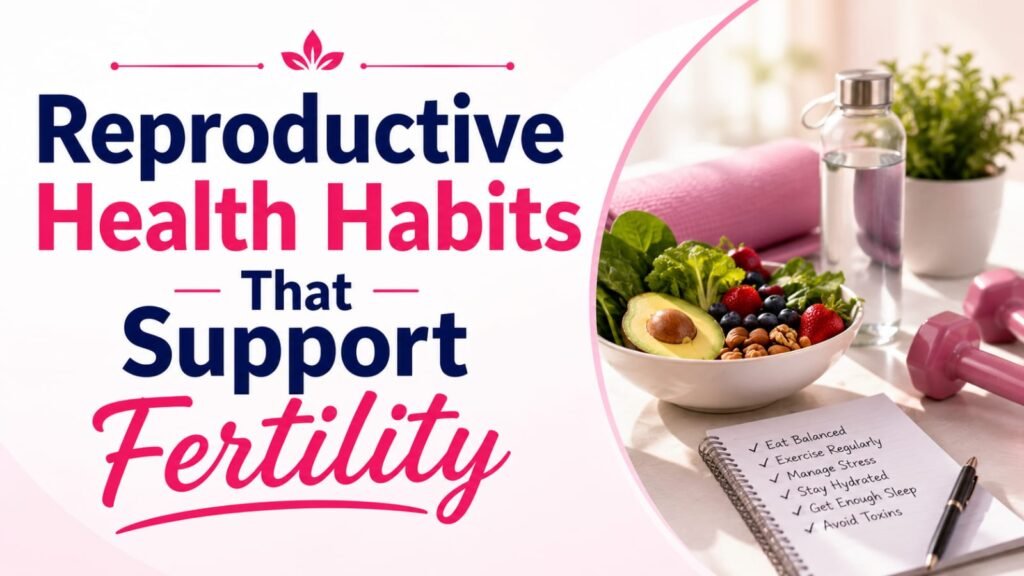
Many factors contribute to fertility. Some of these include age, genetics, hormonal levels, lifestyle choices, and general health. Some people face fertility challenges that are beyond their personal control. However, some people are able to improve their fertility by making healthier choices and taking care of their bodies. Knowing which lifestyle choices and how to care for your body in order to maintain reproductive health at optimum level can increase your chances of conceiving a child.
Improving fertility is one of the benefits a healthy reproductive system brings. This guide offers men and women, both, healthy, lifestyle changes based on research that are aimed to achieve a healthy, functioning reproductive system.
Reproductive Health and its Conception Potential
Proper functioning of the reproductive system and the physical, mental, and social well-being associated with it, defines reproductive health. Some of the benefits that come with healthy reproductive habits include:
– Hormone balance
– Quality sperm
– Regular ovulation
– Menstrual Cycle health
– Better outcomes for pregnancy
– Reduced chances for a reproductive disease
Healthy reproductive habits that support healthy living and fertility help achieve your reproductive goals.
Have a Balanced Diet (Reproductive Health Habits That Support Fertility)
Diet is an important factor that supports healthy reproductive functioning. Fats, proteins, and an assortment of vitamins and minerals help determine your hormones and your body’s level of fertility.
Fertility-Friendly Foods
Green, Leafy Vegetables
Swiss chard, kale, and spinach are great sources of:
– Antioxidants
– Folate
– Iron
– Magnesium
Along with healthy reproductive habits, folate is also important for the early development of a fetus.
Healthy Fats
Daily consumption of healthy fats is recommended.
Healthy fats:
– Avocados
– Nuts
– Seeds
– Olive oil
– Fatty fish
Healthy fats are necessary for proper hormone and reproductive function.
High-Quality Protein Sources
Healthy, hormone-balancing proteins include:
– Eggs
– Fish
– Lean Poultry
– Beans
– Lentils
The consumption of proteins aids in the repair of tissues and the balancing of hormones.
Whole Grains
Whole Grains include the following:
– Fibers
– B Vitamins
– Energy
Whole grains provide a steady supply of energy and help regulate blood sugar which in turn affects reproductive hormones.
Antioxidant Rich Foods
Antioxidants are very beneficial and important to the health of eggs and sperm. Foods rich in antioxidants include:
– Berries
– Citrus Fruits
– Tomatoes
– Bell Peppers
Achieve and Maintain a Healthy Weight
A healthy body weight is important for both male and female fertility.
Effects of Being Underweight
Being underweight has many negative effects including:
– Irregular Cycles
– Infrequent Ovulation
– Hormonal Imbalances
Effects of Being Overweight
Being overweight negatively impacts fertility and contributes to:
– Insulin Resistance
– PCOS
– Poor Sperm Quality
A healthy BMI improves reproductive health.
Exercise Regularly but Avoid Over training
Exercising up to the recommended amount of 150 minutes of moderate exercise a week, has many benefits for reproductive health including:
– Improved Circulation
– Reduced Stress
– Hormonal Balance
It’s recommended to do the following:
– Walking
– Swimming
– Cycling
– Yoga
– Strength Training
Long physical activities can disrupt:
– Ovulation
– Estrogen levels
– Fertility
Moderation can formulate habits for better reproductive health.
Quality Sleep
Sleep affects the balance of hormones. It plays an essential role in reproductive health.
How Sleep Affects Fertility
The disruption of sleep can affect:
– Melatonin
– Reproductive hormones
– Ovulation
– Testosterone
Sleep Guidelines
Aim for 7–9 hours of sleep with a consistent schedule. Limit screen time and make your room dark and comfortable.
Stress Management
Chronic stress can disrupt hormones and fertility.
Stress and Reproductive Health
Stress can:
– Change ovulation
– Change the menstrual cycle
– Lower libido
– Change sperm production
Stress Management
Meditation improves stress response and emotional health. Breathing exercises can lower cortisol and improve relaxation. Moving your body helps circulation. Maintaining hobbies and connections can improve both mental health and fertility.
Hydration
Water is essential in every aspect of health for reproductive health especially.
Proper hydration supports:
– Nutrient transportation
– Hormonal regulation
– Cervical mucus production
– Cellular health
Most adults benefit from drinking water throughout the day, although individual needs vary.
Limit Alcohol Consumption
Drinking too much alcohol can hinder fertility.
Possible Effects on Women
– Hormonal changes
– Irregular menstruation
– Less chance of conceiving
Possible Effects on Men
– Lower testosterone
– Poor sperm quality
– Low sperm count
Naturally, limiting alcohol consumption helps aid fertility.
Avoid Tobacco and Nicotine Products
Smoking and using nicotine are both linked to fertility issues.
Effect on Female Fertility
Smoking can:
– Quick up ovarian ageing
– Poor egg quality
– Higher risk of miscarriage
Effect on Male Fertility
Smoking can cause:
– Sperm DNA damage
– Lower Sperm Count
– Poor Sperm Motility
Stopping tobacco products can aid reproduction health.
Limit Environmental Toxins
Some toxins can disrupt reproductive hormones.
Common Sources
– Pesticides
– Certain Industrial Chemicals
– Heavy Metals
– BPA-containing Plastics
Ways to Limit Exposure
– Use glass food containers
– Wash fruits and vegetables thoroughly
– Choose BPA-free products
– Avoid unnecessary chemicals
Limit exposure of environmental toxins to aid fertility.
Frequently Check Reproductive Health
Checking reproductive health regularly can prevent issues that affect fertility.
Important Screenings
For Women
– Gynaecological exams
– Cancer screening
– Hormone evaluations
– Assessments of menstrual health
For Men
– Reproductive health evaluations
– Hormone assessments, as needed
– Semen analyses, when concerns of fertility arise
Treating reproductive health concerns quickly can improve fertility prognosis.
Understand Your Menstrual Cycle
Knowing your menstrual cycle is key for women trying to get pregnant.
Benefits of Cycle Tracking
– Recognizing your most fertile days
– Identifying irregularities in your cycle
– Knowing when to have intercourse to maximize your chances of conceiving
– Knowing when your body is ready to conceive
Tracking can be done by:
– Keeping a calendar
– Tracking basal body temperature
– Using ovulation tests
– Using fertility awareness methods
Support Male Fertility
Male fertility, like female fertility, is critical to conception.
Sperm Health Supporting Behaviours
– Maintaining a healthy weight
– Consistent exercise
– Antioxidant-rich diet
– Smoking cessation
– Moderate alcohol consumption
– Stress management
– Good sleep hygiene
Positive behaviour can lead to a better sperm count and sperm quality.
Preconception Health Planning
Pregnancy outcomes can be improved by planning for the health of all parties before conception.
Essentials
– Health screening
– Medication evaluation
– Starting prenatal vitamins
– Assessing chronic illnesses
– Health care provider updates for vaccinations
Improving fertility can be achieved with preconception health planning.
Conclusion
Naturally improving reproductive wellness is possible by developing habits that support reproductive health. For optimal reproductive health, harmful substances and smoking are to be avoided, along with healthy weight maintenance, management of stress, quality sleep, and regular exercise.
Healthy daily choices are the foundation for long-term reproductive health and the ability to conceive, despite the many factors that affect fertility. Individuals and couples can evidence-based habits to support their fertility and wellness while on their journey.
FAQs
A balanced diet, healthy weight, routine exercise, and stress, sleep, substance, and smoking management are optimal habits.
Definitely. Hormone balance and the quality of eggs and sperm are enhanced by diet. Healthy fats, quality proteins, food with folate, and antioxidants are examples of supportive foods.
Chronic stress is carried by your reproductive hormones, affecting your cycle and fertility. Managing stress determines the wellness of your reproductive health.
Approximately 150 minutes of moderate exercise a week is the healthy amount. Excessive amounts of exercise may have a negative impact hormone health.